
Collision Repair vs. Cosmetic Repair: What’s the Difference?
In the automotive industry, the distinction between collision repair and cosmetic repair is crucial for vehicle owners, repair professionals, and insurance companies alike. Understanding these differences helps in making informed decisions regarding vehicle maintenance, safety, and aesthetics. This article explores both categories in detail, highlighting their scope, processes, and real-world applications. These two service types are often part of broader auto body repair solutions that support vehicle restoration after damage.
Auto body repair is generally associated with significant damage resulting from accidents, requiring structural restoration and precision repair work. Cosmetic repairs, on the other hand, focus on surface-level imperfections that affect appearance but do not impact vehicle functionality. Both play an important role in maintaining a vehicle’s overall condition and value over time. Auto body repair is often the primary solution when structural or safety-related damage is involved.
Structured Collision Repair Fundamentals
Defining Scope
Auto body repair involves restoring a vehicle to its former condition after it sustains damage from an impact. This type of repair typically addresses structural issues such as frame alignment, body panel damage, and safety system integrity. It may also include suspension and wheel alignment corrections when impacted by a collision. The scope of auto body repair is broad and often requires a detailed inspection before work begins.
The goal of auto body repair is to ensure the vehicle is safe to drive and properly restored to manufacturer standards. Because of the complexity involved, these repairs require skilled technicians and specialized equipment to accurately assess and repair damage. Each stage of the process is designed to return the vehicle to proper structural condition. Auto body repair also helps preserve long-term vehicle performance.
Identifying Common Collisions
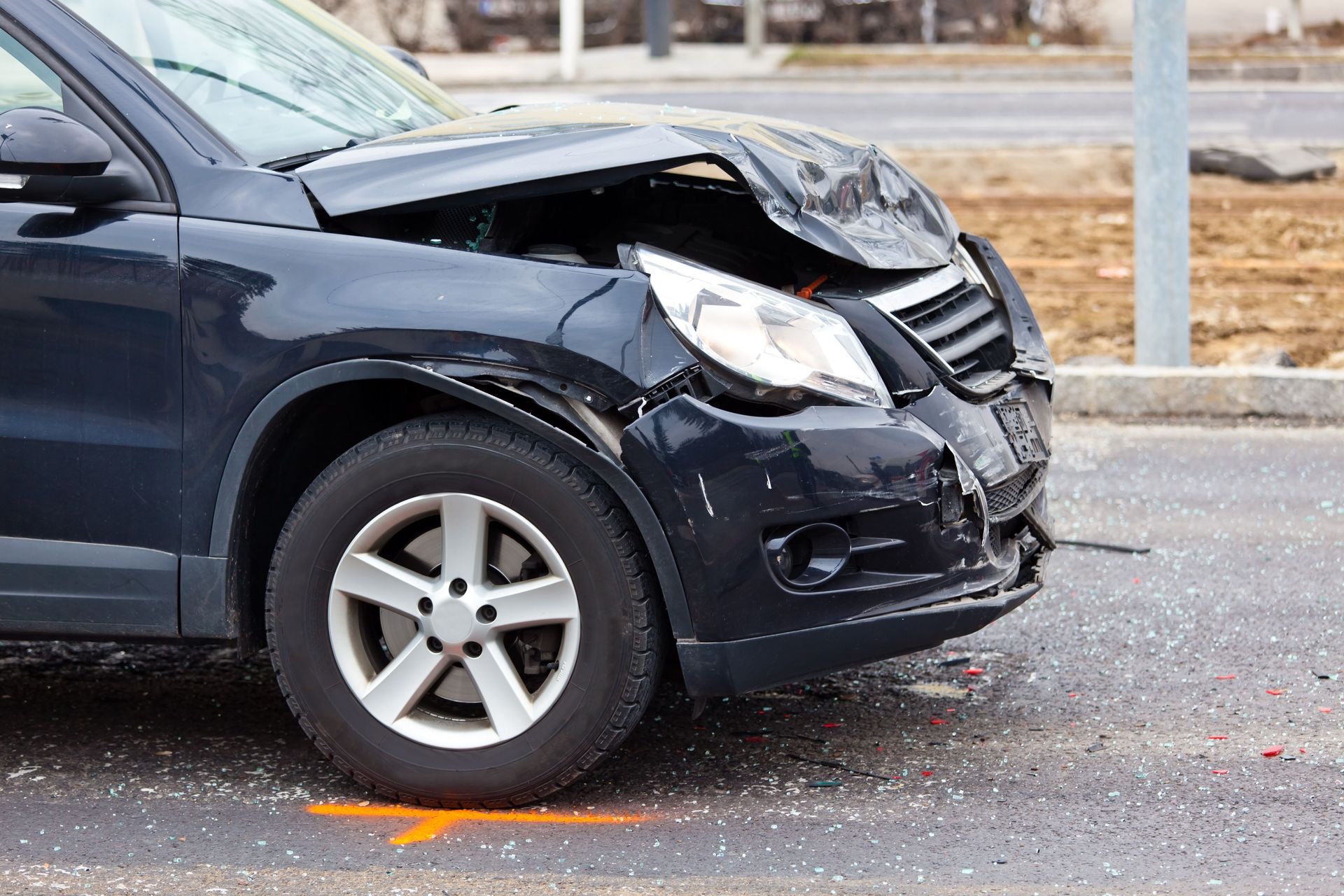
Collision damage can result from a wide range of incidents. Traffic accidents remain the most common cause, including rear-end impacts, intersection collisions, and multi-vehicle incidents. Weather conditions such as rain, snow, or ice can also contribute to loss of control and resulting damage. These events often require immediate auto body repair to restore safe operation.
Collisions with stationary objects, such as guardrails, poles, or barriers, are another frequent cause of damage. Even low-speed impacts can result in misalignment or visible body damage that requires professional repair. In many situations, the damage extends beyond what is immediately visible. Auto body repair is often needed to address both surface and structural concerns.
In many cases, collision events can also lead to alignment or suspension issues that are not immediately visible. A full inspection is often necessary to identify all affected areas and ensure proper restoration. According to Broadly, there are over 40,000 collision repair shops operating in the United States. This highlights the scale of the auto body repair industry and the demand for collision-related services.
Exploring Types of Repairs Involved
Auto body repair includes a range of restoration services depending on the severity of the damage. Structural repairs are often required when a vehicle’s frame or core structure has been affected. This ensures proper alignment and safety performance. These repairs form the foundation of full vehicle restoration.
Body repair is also common and includes fixing or replacing damaged panels, bumpers, and exterior components. These repairs help restore both function and appearance following an accident. Auto body repair also ensures that exterior alignment is consistent with manufacturer specifications. Proper restoration is essential for both safety and aesthetics.
Using Tools and Techniques
Modern auto body repair relies on advanced tools and precise techniques to restore vehicles accurately. Computerized measuring systems are often used to assess structural alignment and identify deviations from factory specifications. These tools help ensure accuracy throughout the repair process. Precision is essential in every stage of auto body repair.
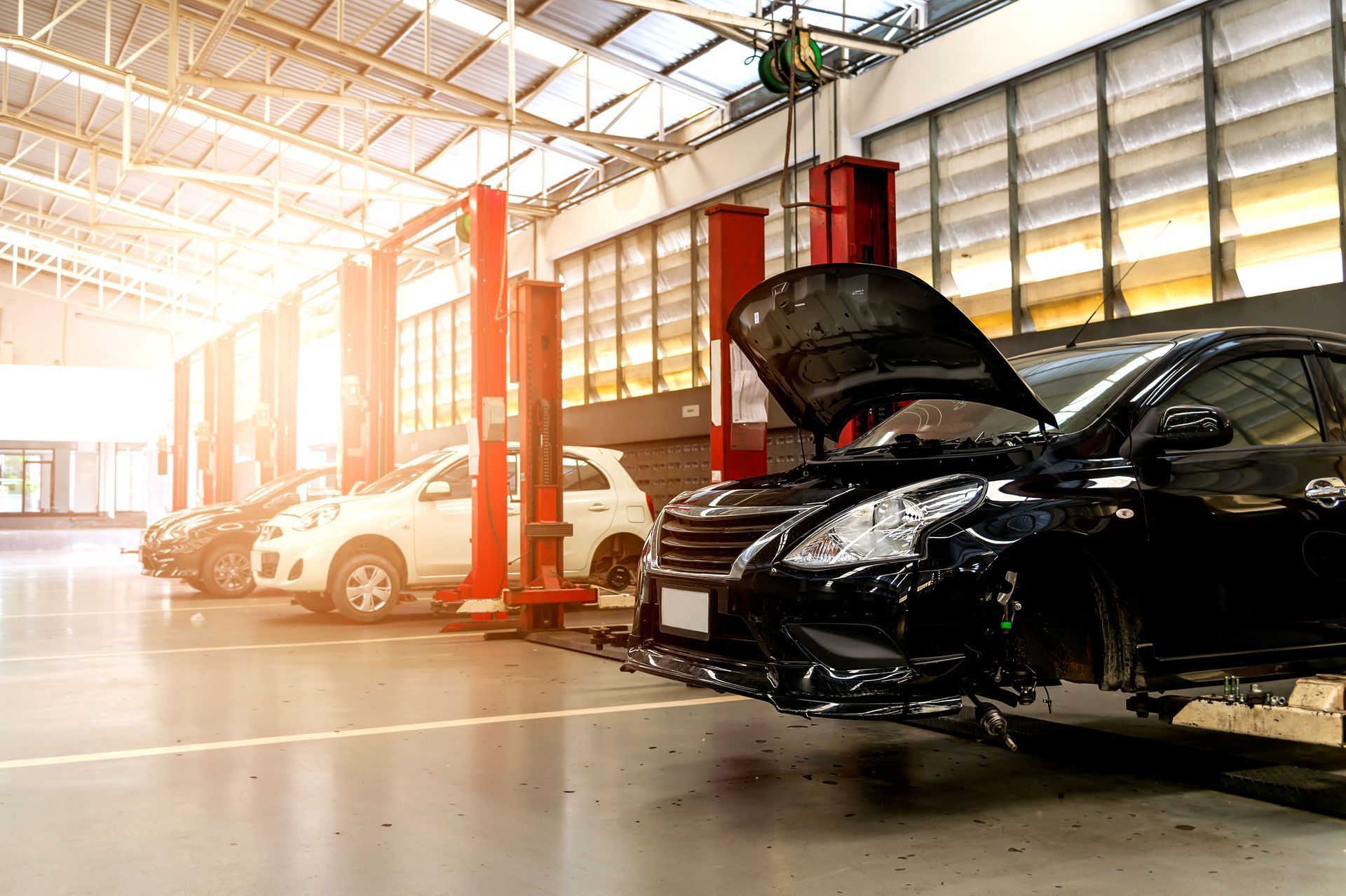
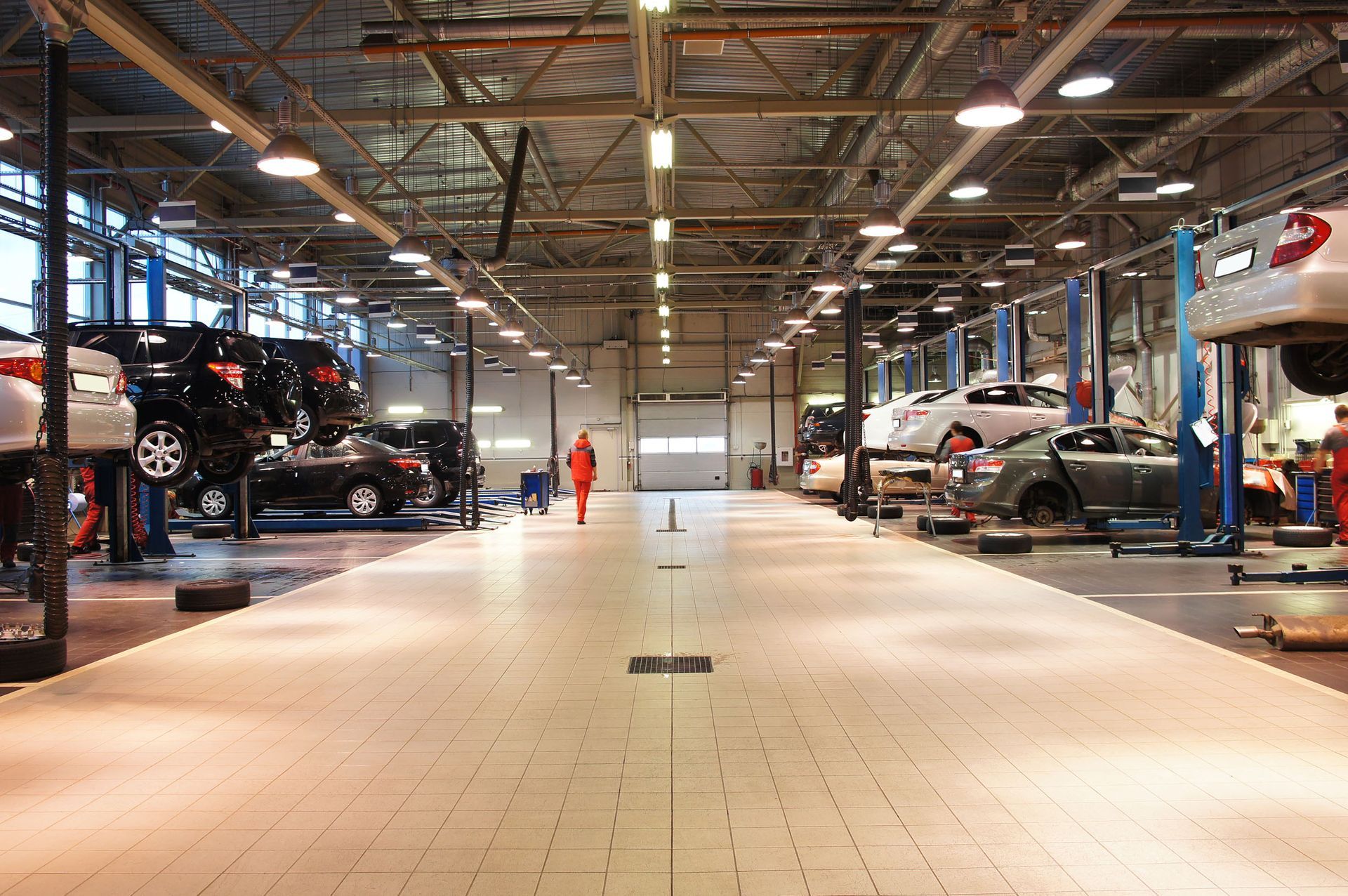
Technicians may use frame straightening equipment, welding tools, and panel replacement systems to restore structural integrity. Paint booths and refinishing systems are also used to ensure a seamless visual finish. These tools are standard in professional auto body repair facilities. Each tool supports accurate restoration work.
Refined Cosmetic Repair Fundamentals
Defining Scope
Cosmetic repair focuses on surface-level imperfections that affect a vehicle’s appearance without impacting its functionality. These repairs are typically used to address issues such as scratches, dents, paint chips, and minor blemishes. They are an important part of maintaining a vehicle’s exterior condition over time. Cosmetic repair is often used alongside auto body repair for complete restoration.
Unlike auto body repair, cosmetic repair does not involve structural restoration. Instead, it focuses on restoring visual appeal and maintaining the overall finish of the vehicle. This makes it a less invasive type of service. Cosmetic repair is primarily concerned with surface quality and appearance.
Identifying Common Cosmetic Imperfections
Cosmetic imperfections can occur through everyday driving and environmental exposure. Scratches and paint chips are among the most common issues, often caused by road debris or minor contact with objects. These issues typically do not affect vehicle performance. However, cosmetic repair or auto body repair may still be needed depending on severity.
Dents and small dings frequently occur in parking situations or low-impact incidents. While these issues do not affect vehicle operation, they can impact overall appearance. Over time, they may reduce visual appeal if left unaddressed. Cosmetic repair helps maintain a clean exterior finish.
Exploring Types of Repairs Involved
Cosmetic repair includes several techniques designed to restore exterior appearance. Paintless dent repair is commonly used to remove minor dents without affecting the original paint surface. This method helps preserve factory finishes. It is often used in combination with auto body repair when needed.
Scratch and chip repair methods involve color-matched touch-ups and polishing techniques to restore a smooth finish. These methods help blend repaired areas with the surrounding paintwork. Cosmetic repair focuses heavily on visual consistency. Auto body repair may be required for deeper damage.
Clear Collision and Cosmetic Repair Comparison
Comparing the Nature of Damage
Auto body repair focuses on significant structural and body damage resulting from accidents. These repairs often involve restoring frame alignment, safety components, and major exterior damage. The process ensures the vehicle is safe and structurally sound. Auto body repair is essential when damage goes beyond surface level.
Cosmetic repair addresses surface imperfections that affect appearance but do not impact the vehicle’s functionality or safety. These repairs are typically less complex and more focused on visual improvement. They are often used for minor damage. Auto body repair is required when structural integrity is affected.
Explaining the Time Required for Repairs
Auto body repair often takes longer due to the detailed inspection, structural work, and multi-step restoration process involved. Vehicles may be out of service for extended periods depending on the severity of damage. Each step must be completed carefully. Auto body repair requires thorough execution.
Cosmetic repairs are typically completed more quickly, especially for minor dents, scratches, or surface corrections. These repairs require less extensive work compared to structural restoration. Auto body repair generally involves longer timelines. Time requirements vary based on damage severity.
Explaining Insurance Coverage Considerations
Auto body repair is commonly handled through insurance claims following an accident. Repair facilities typically work with insurance providers to document damage, prepare estimates, and coordinate approvals. This process helps streamline repairs. Auto body repair is often integrated with insurance workflows.
Cosmetic repairs may or may not be covered depending on the circumstances and policy terms. Many minor cosmetic issues are addressed out-of-pocket unless tied to a covered incident. Insurance coverage varies widely. Auto body repair is more frequently included in claims.
To learn more about professional collision and cosmetic repair services, American Collision Center offers complete auto body restoration, paint refinishing, and insurance-supported repair solutions designed to bring vehicles back to their former condition.

Share On: